
SINGAPORE LOCAL STORIES
Stories Worth Telling
The Singapore Stories:
Discovering Singapore’s Heritage Stories
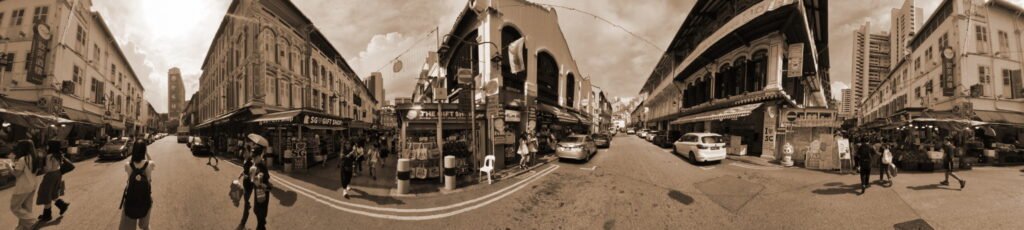
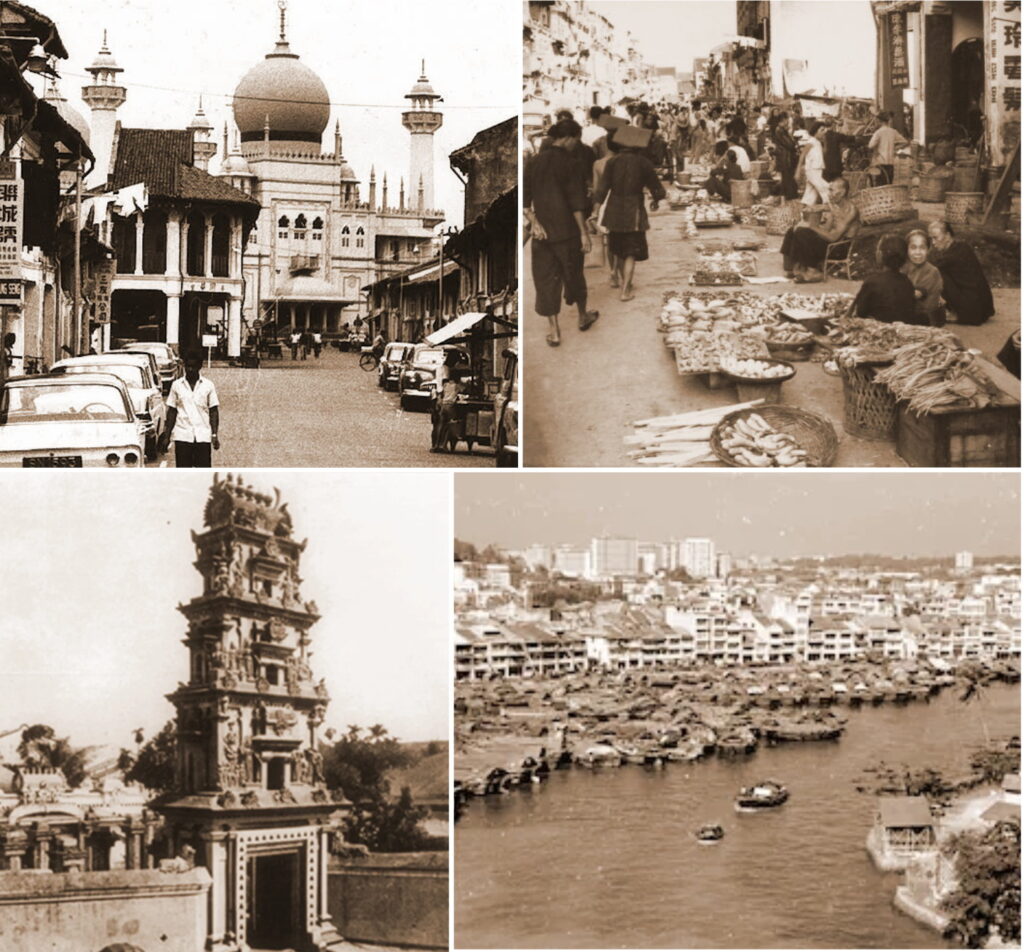
Much has changed in Singapore for the past few centuries, from having idyllic fishing villages to the iconic landmarks that define Singapore today. Most of us are familiar with these modern icons but the stories of the historical journey to get here are often not so obvious. The transformation has been truly remarkable. Inside these changes are the stories of the backbreaking labour of indentured labourers and men and women forced to leave their homes to support their families. These stories are often etched in the street names, the conserved heritage buildings, the food and culture, and the very way we coexist in this dense, diverse city. And here, these stories are shared, both as blog stories to inform and inspire or trails to explore and discover.
The Storyteller
Who Am I?
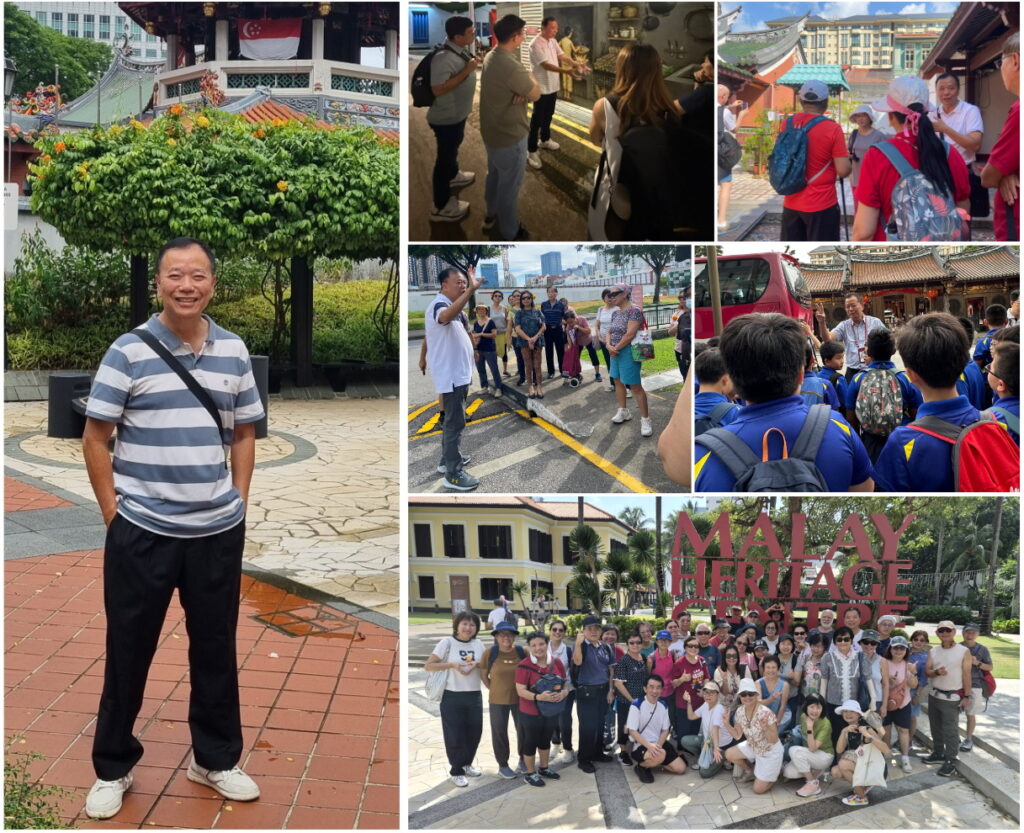
Singapore is filled with fascinating stories of its past and present, with layers of history, culture and heritage waiting to be discovered. And I enjoy sharing these stories to those who are interested to know, with personal insights after having lived through most of the latter history and watched this nation grow, change, and reinvent itself in remarkable ways. I will only be so happy to have this privilege if you will allow me to.
The Local Stories Blogs
My Local Stories blog is a space dedicated to Singapore’s living history. The stories can be about the rich traditions, the colourful anecdotes, the inspiring people, the bittersweet memories and the evolving images of Singapore. It’s aim is to bridge the gap between our heritage and the present, serving up bite-sized history to keep us connected to our roots. I do hope you will enjoy the posts and be a bit more knowledgeable about Singapore and its past.
Go to Local Stories Blogs
The Local Story Teller
I am also a licensed local tour guide, a step I took to provide a more personal avenue for me to share the local stories to anyone (both locals and tourists) who are keen to gain a deeper understanding of our nation’s histories, legacies and rich cultural heritage. You can be totally new to this country or someone who has grown up here but realised how little you know about Singapore. If you are interested in walking with me, please let me know how I can help.
Heritage Tours
The Stories that Need to be Told
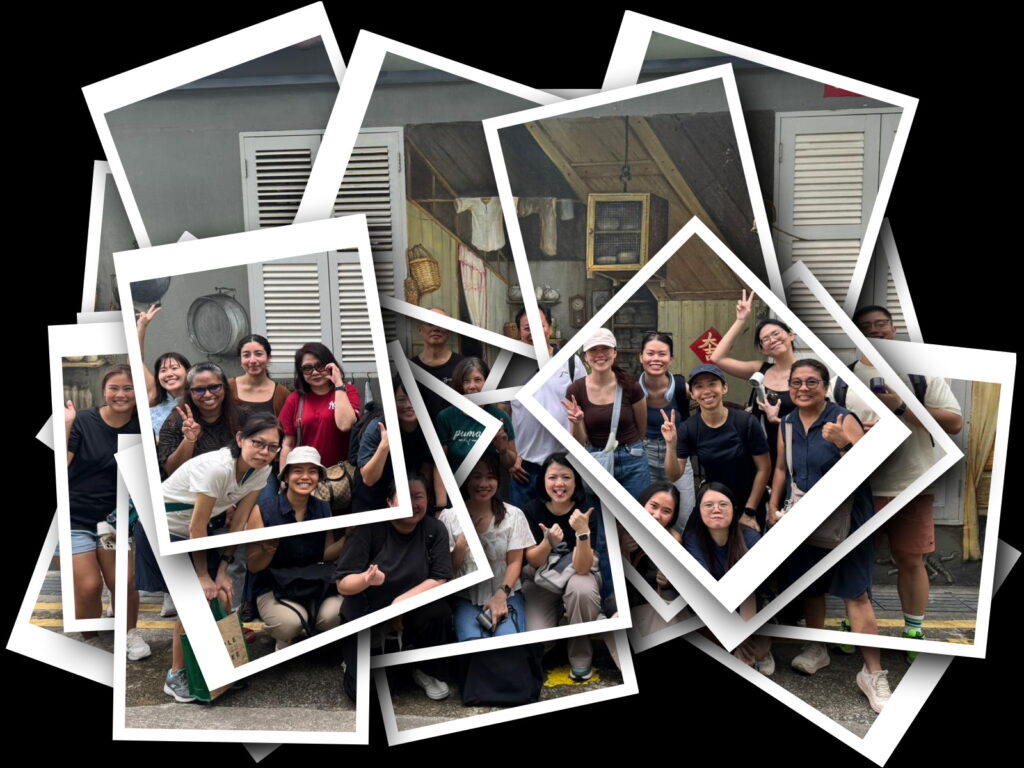
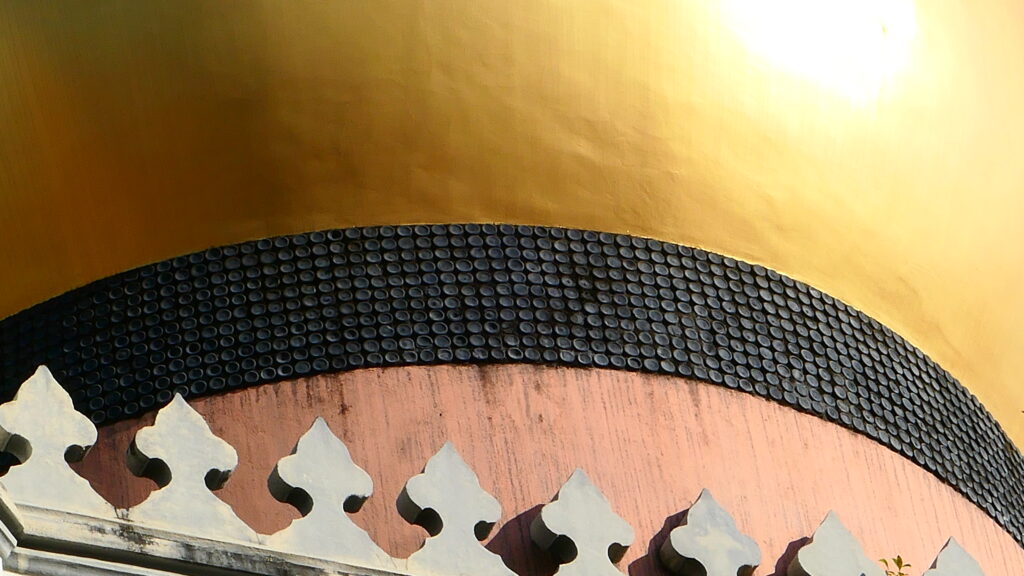
The sight, the sound and the smell, these are sensory experiences you get as you walk through the historical streets and alleys and as you stop to re-imagine the purposes of the colonial buildings in the early settlement areas. Beyond the texts and photos, you can smell the spices as you walk along the streets of Little India, marvel at the majesty of the domes of the Sultan Mosque from a close-up view and bond with the early immigrants at the landing site upon their arrival onto Singapore. To journey these experiences, we have different walking tours that are available that you can explore and sign up or send me your request.
Local Walking Tours
Turn a standard outing into a memorable walking journey for you and your friends or guests. Let me know how I can help you to create an impactful and unforgettable tour of Singapore’s colourful past and its evolution to become the great nation that it is today. The tour can be specially curated to what you are looking for, or we can share with you our available curated walking tours. There are always more stories behind what you see with your eyes.
School Learning Journey Tours
Bring the curriculum to life through experiential outdoor learning. If you are planning an impactful field trip to deepen your students’ understanding of Singapore’s social studies, history, or cultural frameworks, our onsite heritage learning journeys provide the perfect interactive open classroom. We co-create custom learning paths that map directly to MOE’s National Education and CCE expectations. The narratives that will be used will focus on the grits and resilience of the early residents to overcome tough challenges and the lessons we can learn from them. Pre-trip brief, activity sheets and post-tour reflection/review will be discussed.
Free Walking Tours
If you love exploring the city on foot with a lively group of fellow travellers, then my free walking tours are the perfect match. Based on a “pay-what-you-wish” model, these scheduled walks offer an accessible, educational and a frank/authentic way to experience Singapore’s most vibrant neighborhoods. Look for me on the GuruWalk platform to reserve your spot! Click on the link below.
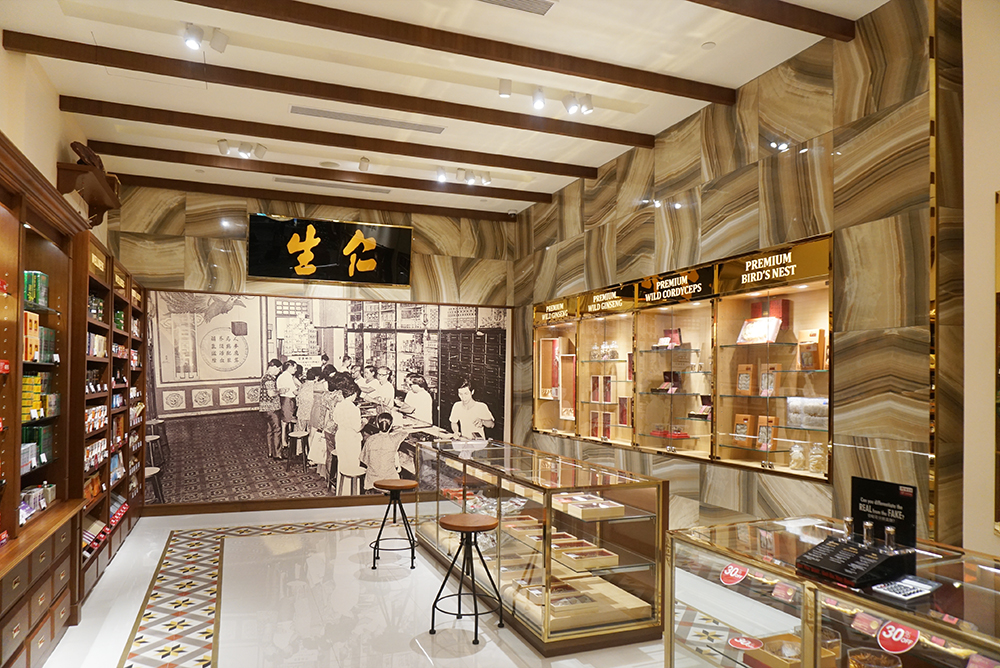
The Eu Yan Sang Story
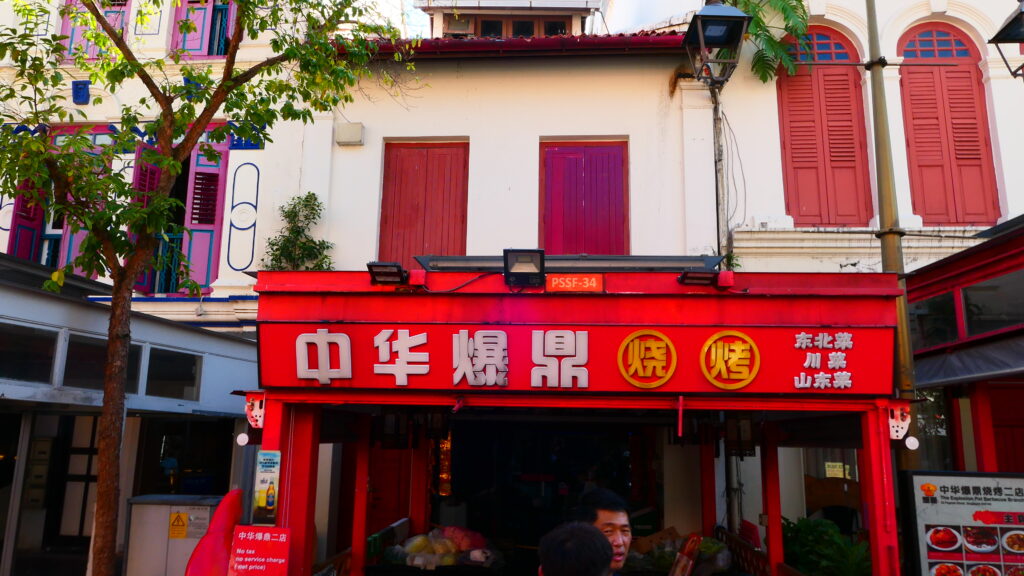
The Chinatown Opium Scourge Story
The Night Soil Carriers Story
The Collyer Quay Pedestrian Bridge Story

The Bugis Story

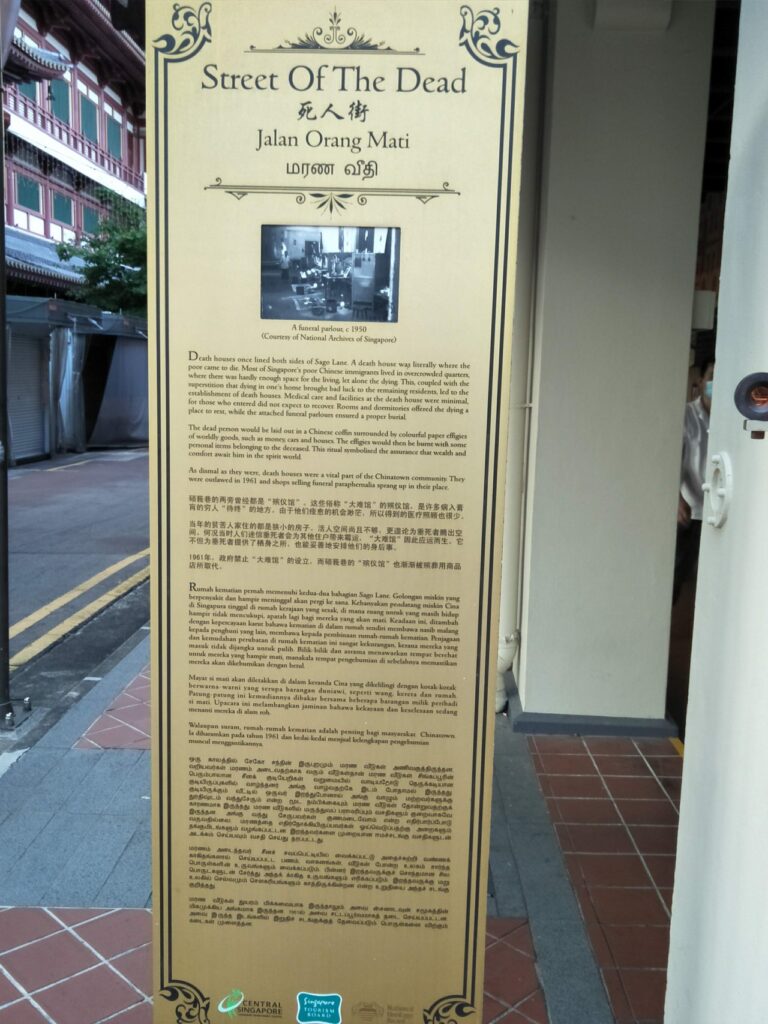
Sago Lane: Singapore’s Street of the Dead
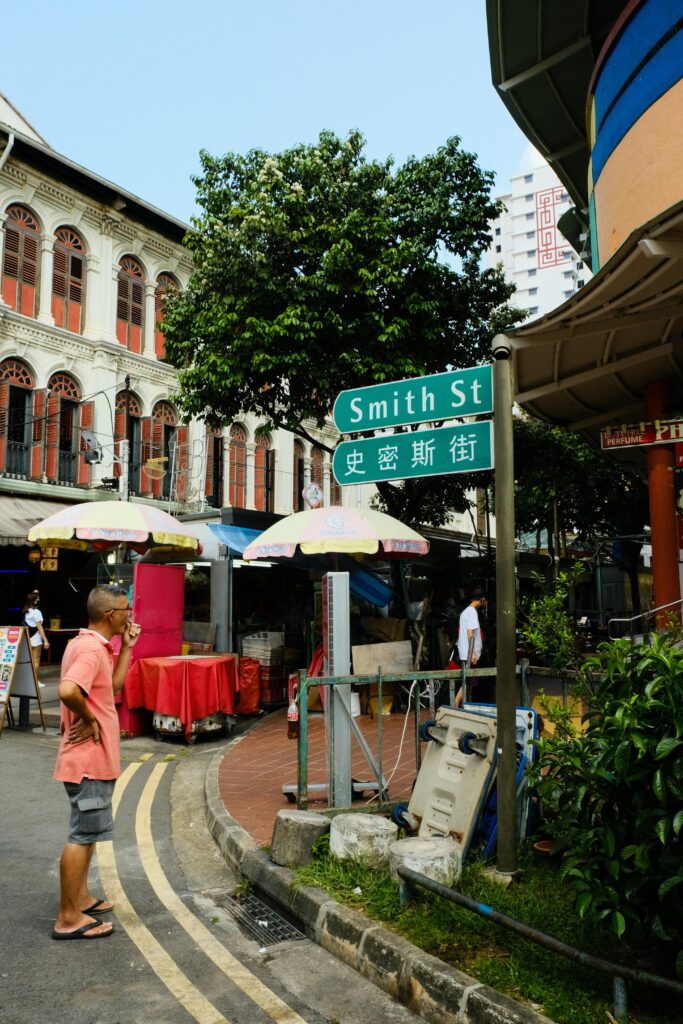
The Smith Street Story
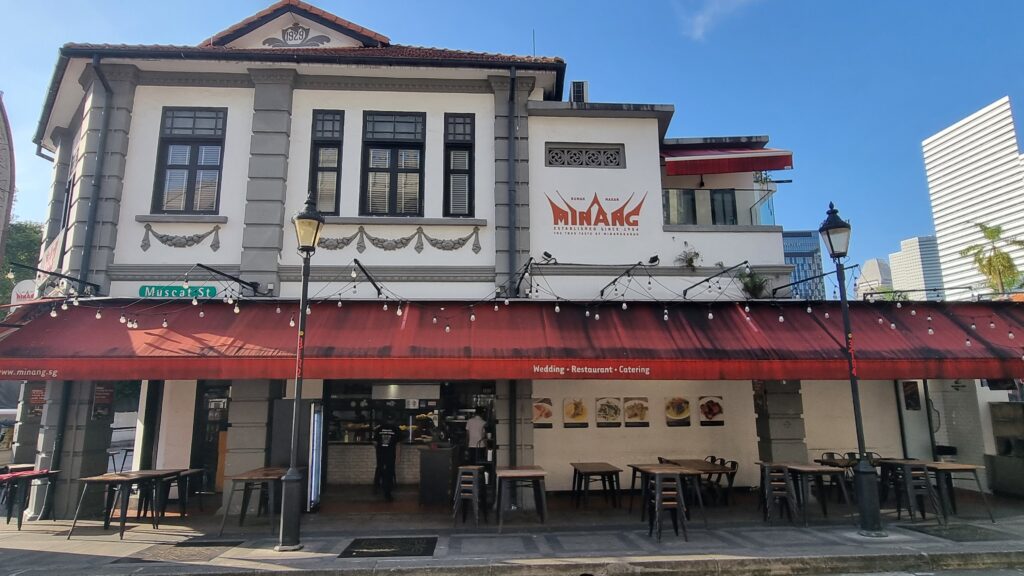
The Minang Story
The Soy Sauce Story
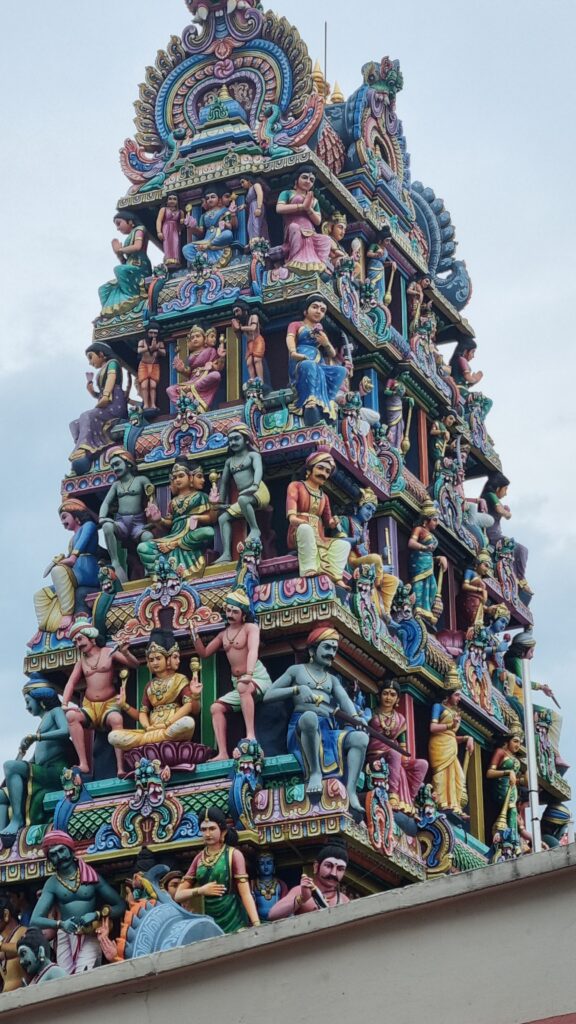
The Missing Sepoy Soldiers Story
Coffee Around the World Story

The Singapore Cattle Story
Jewel of Muscat Story


MICHAEL TAN
The Story-Teller
Contact Information
Email: eatchickenrice@gmail.com