
You can spot the sign from afar — “56 ARAB STREET” with %ARABICA just below. A clever play on words to catch your attention and draw you into this indie café chain. Arabica has expanded to eight outlets in Singapore, garnering rave reviews and Instagram-worthy praise from coffee enthusiasts. Originating from Kyoto, Japan, the brand positions itself differently from giants like Starbucks or McCafé, with the bold motto: “See the World Through Coffee.” The message is clear — we only live once, so let’s explore the world, one cup at a time. And despite charging higher prices than its mainstream competitors, customers seem happy to pay, convinced by the taste and experience. The coffee bean they use is Arabica, the same variety used by Starbucks and McCafé. So, what makes Arabica so desirable, and why doesn’t the local Nanyang coffee occupy the same space?
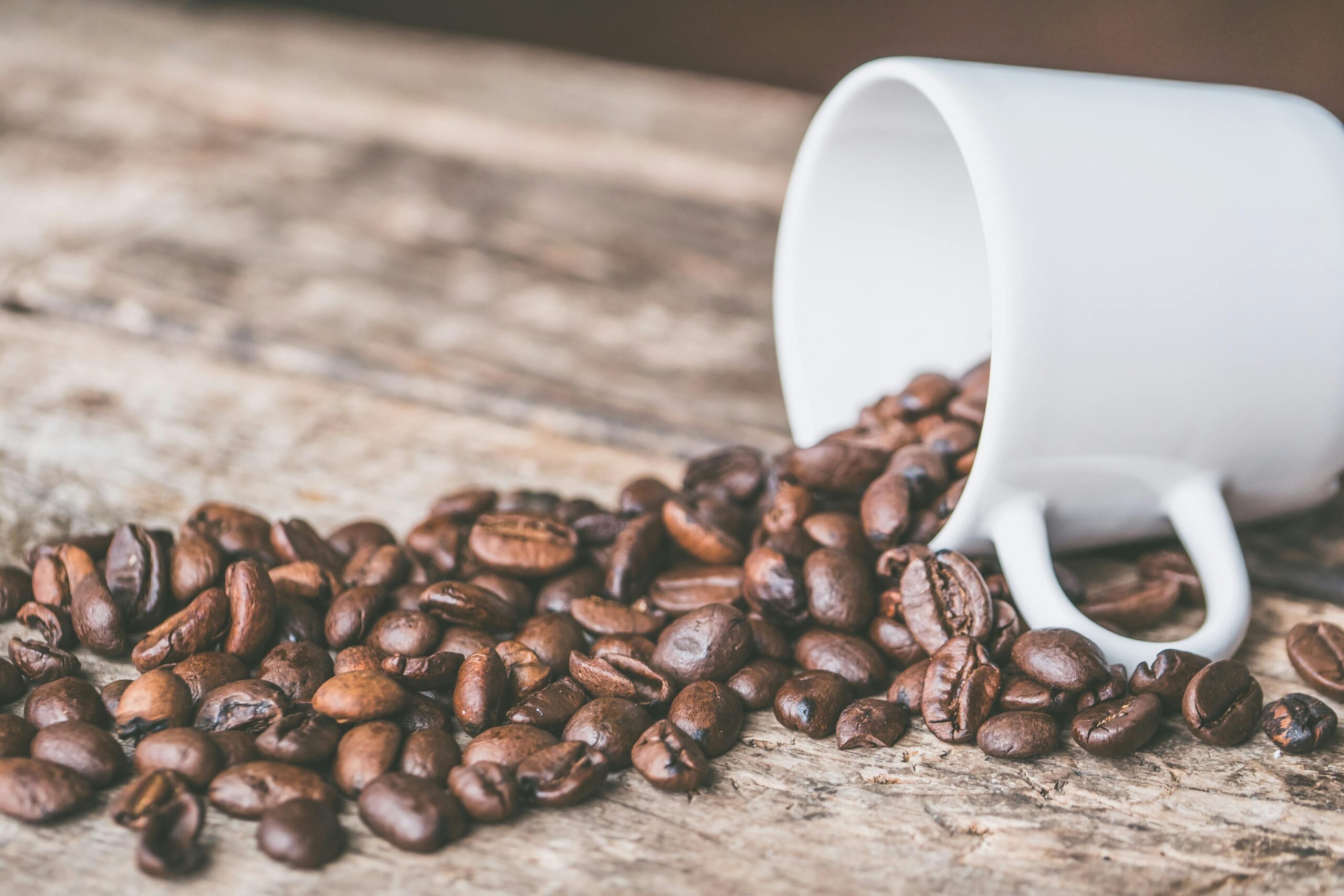
Globally, there are three main coffee bean types: Arabica, Robusta and Liberica. Arabica accounts for about 65% of the market, prized for its smoothness, mild acidity, and aromatic profile. Robusta makes up roughly 33%, known for its bolder, more bitter, and intense flavour — plus a much higher caffeine content. Arabica beans cost more as they thrive only in high-altitude, tropical environments. Vietnam is the biggest source of Robusto coffee beans at 40%.
Nanyang coffee, better known locally as kopitiam kopi, is made with Robusta beans. These beans are roasted slowly at lower temperatures, often with butter or margarine and sugar, to trigger the Maillard reaction (browning) and caramelisation. This creates a deep, robust flavour with a distinctive bitterness. The coffee is typically served with condensed or evaporated milk and brewed using a cloth coffee sock. It is also popular as the base for instant coffee and is uniquely found in the Southeast Asian region. Liberica, less common but significant in Malaysia and parts of the Philippines, is recognised for its smoky, woody aroma with a slightly fruity tone, quite similar to Robusto.
In Singapore, we have our unique way of classifying how we want our Nanyang coffee.
Kopi: Coffee with condensed milk (sweet)
Kopi O: Black coffee with sugar
Kopi O Kosong: Black coffee, no sugar
Kopi C: Coffee with evaporated milk + sugar
Kopi C Kosong: Coffee with evaporated milk, no sugar
Kopi Gao: Same as Kopi but stronger coffee (less water)
Kopi Po: Same as Kopi but weaker coffee (more water)
Kopi Siew Dai: Kopi with less sugar
Kopi Gah Dai: Kopi with more condensed milk/sugar
Kopi Peng: Iced coffee
Kopi O Peng: Iced black coffee with sugar
Yuan Yang: Coffee + tea mix

It’s not as complicated as it looks. Just decide if you want it black or white, sweet or less sweet, condensed milk or sweetened milk, hot or cold and how strong you want the coffee. Maybe at least not as complicated as the Western coffee.
Variations of the Nanyang coffee are:
- Ipoh Coffee: coffee beans that are roasted with palm oil margarine (or palm oil), then brewed and served with sweetened condensed milk. This unique roasting method results in a smooth, creamy, and less bitter coffee compared to traditional roasts.
- Vietnam Coffee: coffee beans brewed slowly with a phin filter (small metal filter container on top of a cup) and served with sweetened condensed milk, a combination that balances the coffee’s bitterness with a sweet, creamy texture. Popular nowadays is to mix with coconut milk.
- Indonesian Coffee: coarse coffee powder brewed with hot water directly, leaving the sediment in the cup.
Japan and China do not have a coffee culture and depend on canned coffee (for Japan) and café outlets (for China). And these are with Arabica beans.
Middle East Arab Coffee: lightly roasted Arabica beans, often mixed with fragrant spices like cardamom, cloves, and saffron to create a smooth, aromatic, and mild brew. The coffee is prepared in a pot called a dallah, boiled without being filtered to build a light foam, and served unsweetened in small cups. Caution – you sip rather than drink.
Indian Coffee: use the traditional South Indian drip method, where hot water is poured over finely ground coffee in a metal filter, allowing a rich, thick coffee concentrate to slowly drip into a bottom chamber. It is then mixed with frothed milk and sugar to create a strong, flavourful drink.
Western Coffee is more diverse, both in composition and brewing method, according to each country’s preferences. But they start with the Arabica bean espresso.
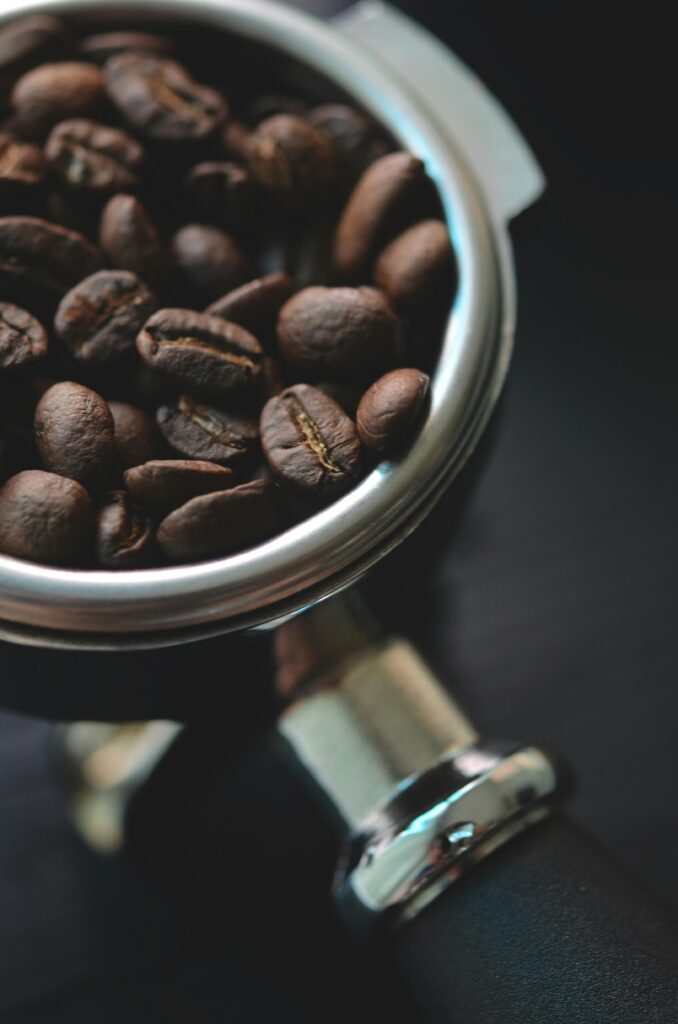
Espresso-Based Coffee:
- Espresso- A concentrated shot made by forcing hot water through finely ground coffee at high pressure.
- Ristretto – A shorter espresso pull with less water, producing a more intense flavour.
- Lungo – An espresso pulled with more water, making it milder and slightly bitter.
- Americano – Espresso diluted with hot water for a filter-coffee-like drink.
- Cappuccino – Equal parts espresso, steamed milk, and milk foam, traditionally served in the morning.
- Latte – Espresso topped with more steamed milk and a thin layer of foam.
- Café Au Lait – An espresso with hot milk in roughly equal parts.
- Flat White – Espresso with microfoamed milk, smoother and with less foam than a latte.
- Macchiato – Espresso “stained” with a small amount of milk or foam.
- Mocha – Latte with added chocolate syrup or cocoa powder, often topped with whipped cream.
- Affogato – A scoop of vanilla ice cream “drowned” with a shot of hot espresso.
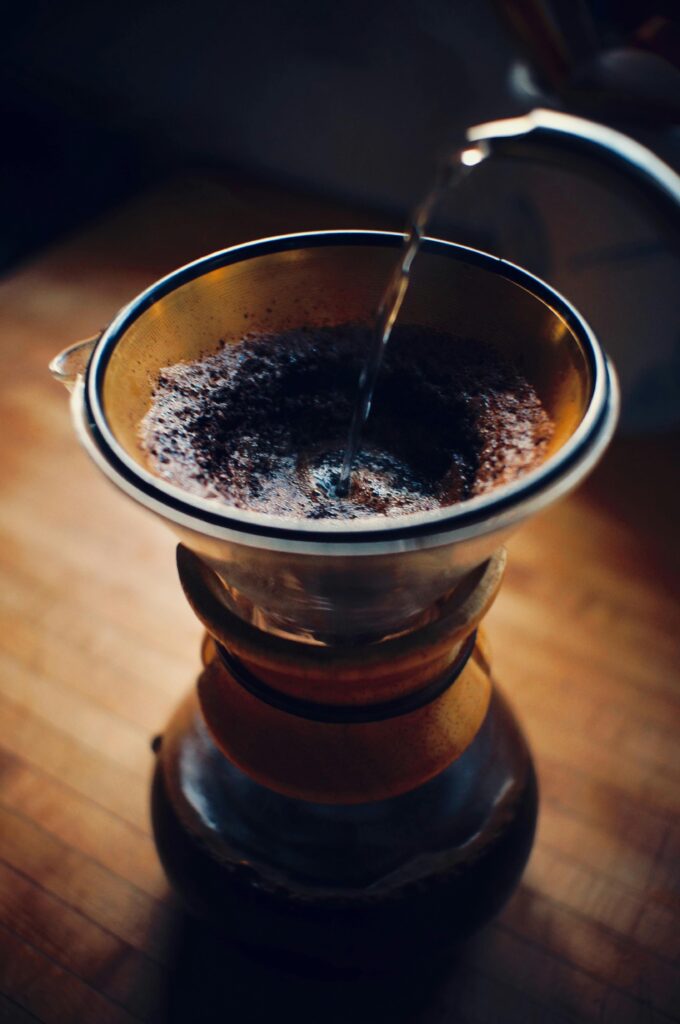
Brewing Methods
- Drip Coffee – Hot water passes through coffee grounds in a paper/metal filter into a pot or carafe.
- Pour-Over – Manually pouring hot water over coffee grounds in a cone-shaped filter for precision control.
- French Press – Coarse coffee grounds steeped in hot water, then pressed down with a plunger.
- AeroPress – Immersion and pressure brewing using a hand-pressed device.
- Percolator Coffee – Water repeatedly cycles through coffee grounds via steam pressure.
- Moka Pot (Stovetop Espresso) – Water is heated in the bottom chamber, steam pressure forces it through coffee grounds to produce a strong brew.
- Siphon Coffee – Uses vacuum and vapor pressure in glass chambers for a clean, aromatic brew.
- Cold Brew – Coarse grounds steeped in cold water for 12–24 hours, served over ice.
- Iced Coffee – Regular brewed coffee cooled and served over ice (sometimes sweetened).
- Nitro Cold Brew – Cold brew infused with nitrogen for a creamy texture.
- Frappé (Greek) – Coffee, water, and sugar shaken into a foamy iced drink.
- Irish Coffee – Hot coffee with Irish whiskey, sugar, and cream.
The differences in the composition mixture and the need to ensure consistency of the Western coffee necessitate the use of complex coffee-making equipment, especially for the steam milk attachment. Baristas must be trained not only to brew coffee correctly and consistently, but also to clean and maintain the equipment, as coffee is acidic and leftovers can ruin the subsequent brew. Maybe that’s why they are more costly than the Nanyang coffee, which just uses a cloth sock.
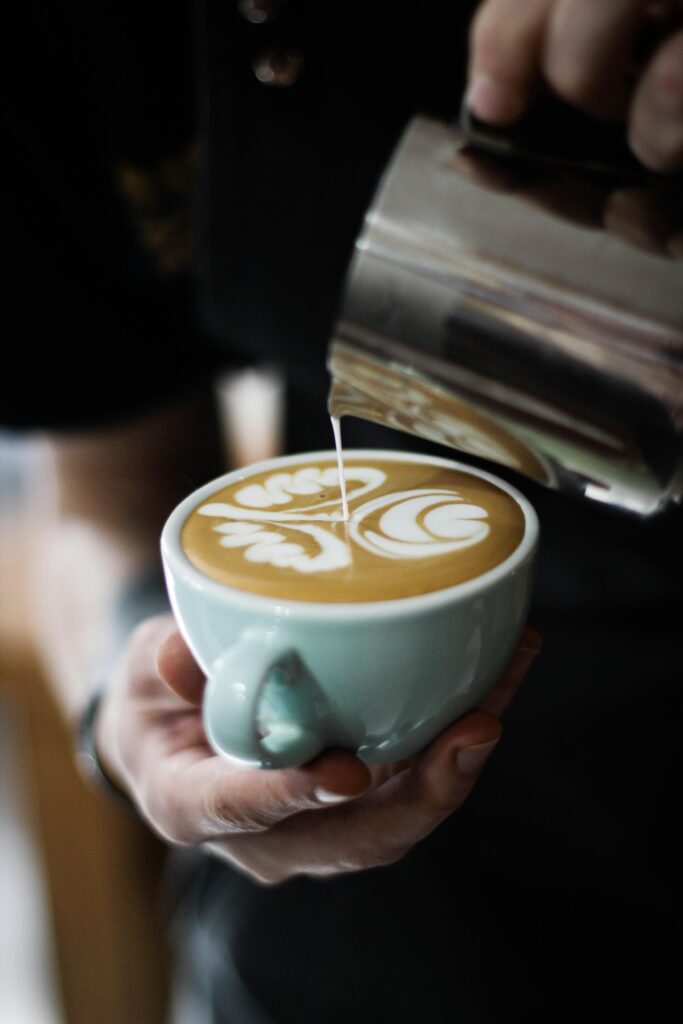
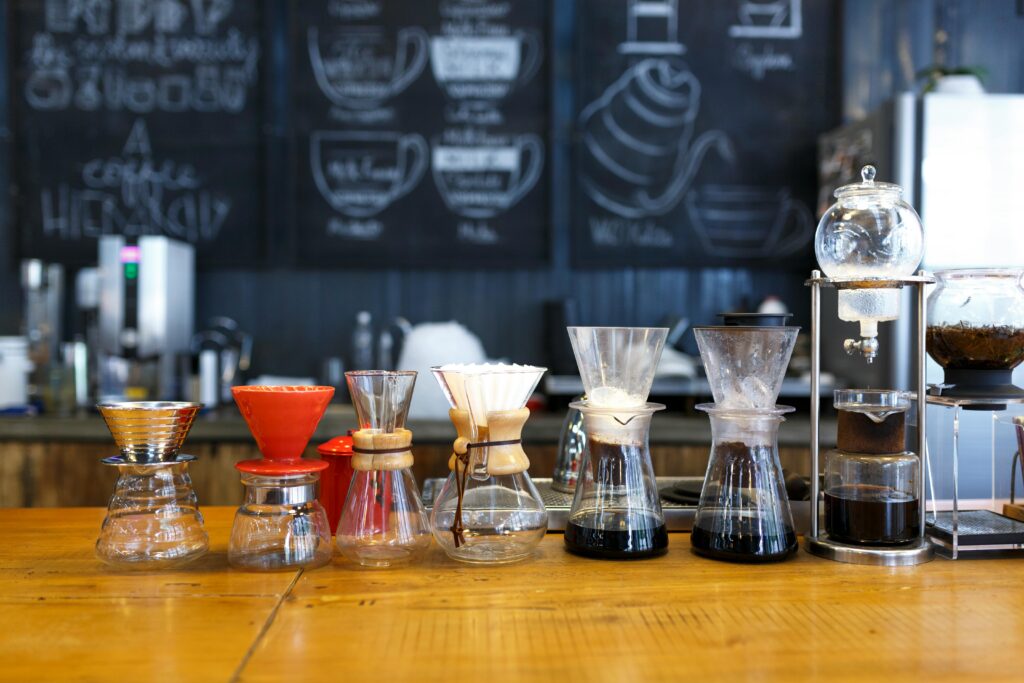
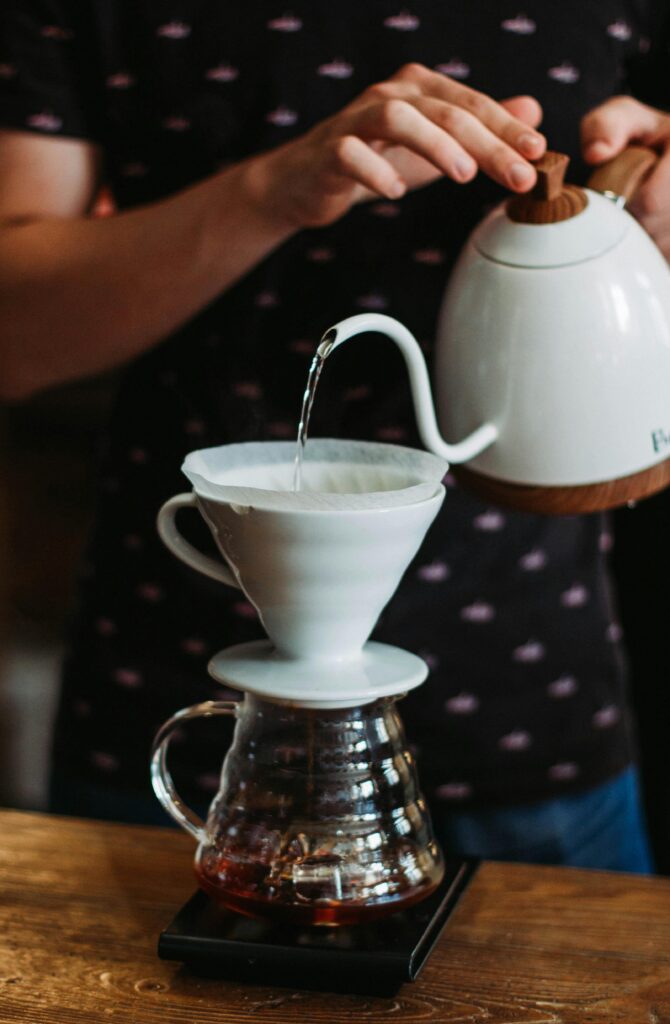
Ways of brewing coffee
Leave a Reply