
Learning Journey Walking Tours
Bringing Singapore’s History to Life Beyond the Classroom
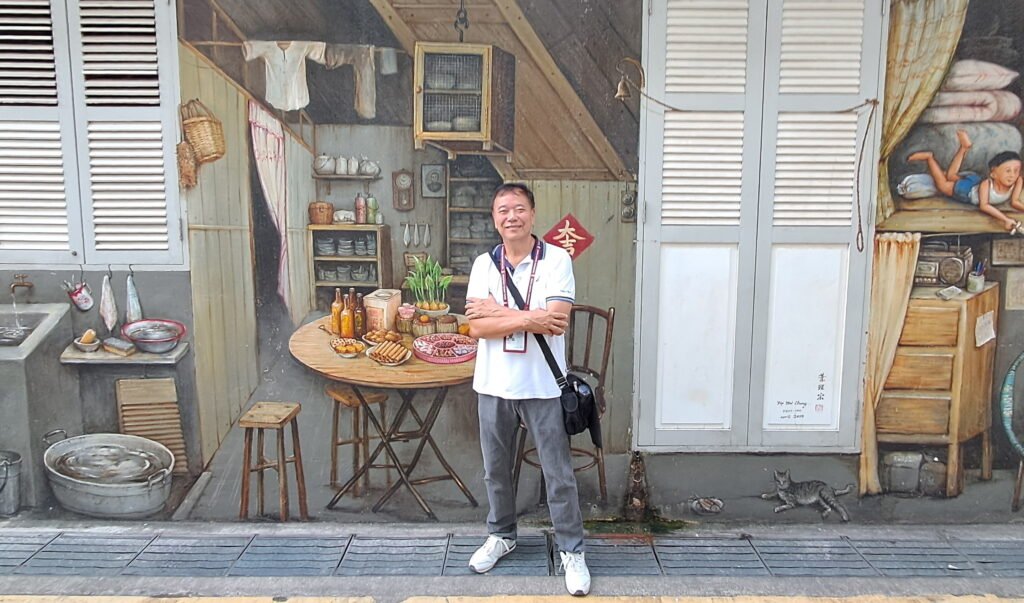
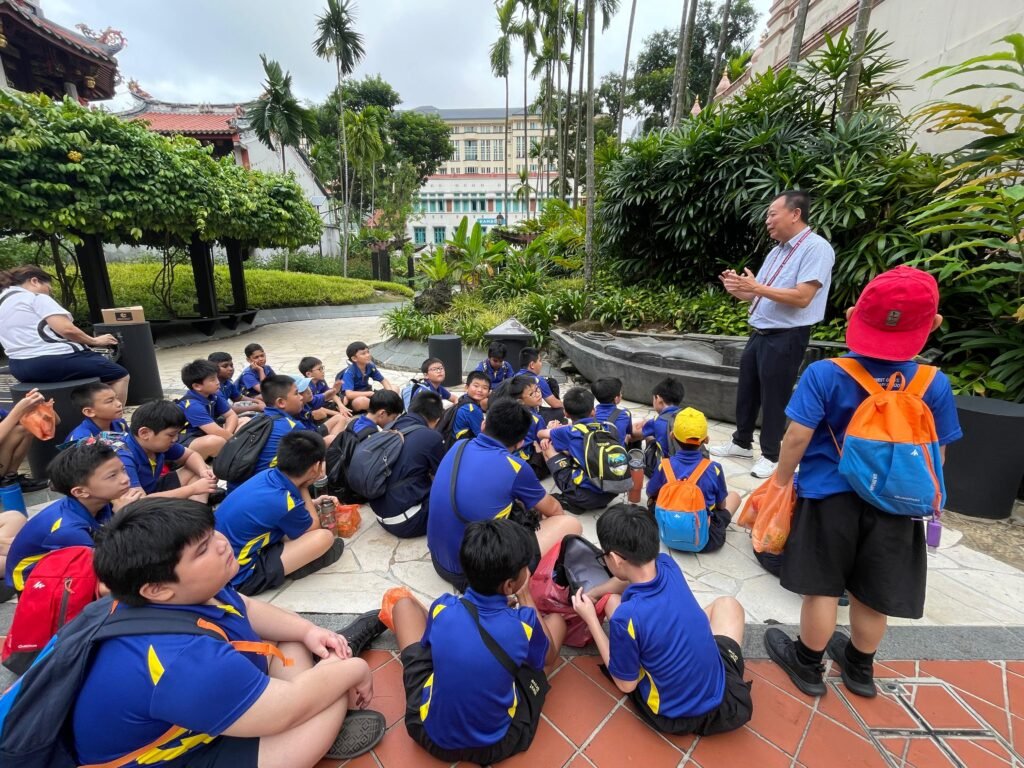
Local Stories Tours offers educational walking tours designed for Learning Journeys field trips. Our guided experiences bring history to life by exploring the resilience, ambitions, struggles, and the diverse heritage of early Singapore’s immigrant communities. Students will also discover the fascinating backstories behind conserved colonial structures and gain a deeper appreciation of their historical and modern significance in building our national identities.
The tours are built to foster critical thinking, cultural appreciation, and historical inquiry. They are mapped to cover the National Education core learning outcome for social cohesion, resilience and national identity. Each trail has defined learning objectives, interactive discussions to ensure understanding and post-tour reviews to internalise learnings. Lesson materials for the objectives of the tour, reflection questions and post-tour reflections will be prepared.
Pre-Tour Administration Preparation
We will provide assistance to plan the tour with for the following considerations:
- Inputs for the RAMS (Risk Assessment and Management System) assessment form
- Finalise the Student-to-Adult Ratios and roles and responsibilities requirements, depending on the size of the group
- Decide on a wet weather contingency plan
- Any Special Educational Needs or limited mobility participants and mitigation provisions.
- Other logistics arrangements
List of Learning Journey Tours Available
| Name of Tour | Learning Objectives | Itinerary | Duration | Learning Points |
|---|---|---|---|---|
| Kampong Glam Heritage Trail | An engaging walking tour website designed for students to explore Singapore’s historic Malay-Arab quarter and former seat of Malay royalty. Through rich storytelling, guided heritage stops, and primary source visuals, students trace the district’s transition from a thriving 19th-century maritime trade hub to a dynamic enclave of culture, craftsmanship, and modern creativity. Backstory of key historical landmarks (e.g., Haji Lane’s vibrant narrow street, the Sultan Mosque and the Sultan Palace) and the unique characteristics of the enclave’s shops and restaurants. | “Haji Lane Muscat Street Bussorah Street Kandahar Street Malay Heritage Centre.” | 2 Hours | Discover Kampong Gelam’s origins as the royal residence of Sultan Hussein Shah and the Bugis chiefs following the 1819 treaty, anchored by the Istana Kampong Gelam (now the Malay Heritage Centre). The area’s historical role as a regional trade hub and Haji pilgrimage center. Community-building efforts that inspired and influenced the broader regional Muslim world. Its transformation into a vibrant cultural and gastronomic hub, and why it remains relevant today. |
| Chinatown Heritage Trail | An interactive walking tour designed for students to explore the historical heart of Singapore’s Chinatown. Through immersive storytelling, guided stops, and rich visual history, students discover how early immigrants built a thriving community, overcome severe adversity, and transformed Chinatown into the vibrant cultural district it is today. | “Pagoda Street Smith Street Telok Ayer Road” | 2 to 3 Hours | The motivations and sacrifices of early immigrants seeking a better life for their families, and why their legacy matters today. The challenges faced by the early immigrants after they arrive in Singapore and the conditions of the community they lived in. The resilience and grit demonstrated by early pioneers. Early migrant survival networks and the critical role of clan associations. |
| Little India Heritage Trail | An immersive walking tour for students to explore Singapore’s vibrant Little India. Guided by historical narratives, multi-sensory stops, and interactive queries, students discover how a former cattle-farming and traditional laundry hub along the rivers developed into a thriving center of South Asian culture, enterprise, and living heritage. | “Kerbau Road Campbell Lane Belilios Road Tekka Market” | 2 Hours | The reason for Indian immigrants to come to Singapore, including the Indian convicts. The motivation for them to move and settle in Little India. Explore the vibrant colour and aroma of the community with their distinct specialities. The origins of local street names associated with the cattle trade and colonial leaders. |
| Civic Centre Heritage Trail | An educational walking tour for students to explore the historical heart of Singapore’s Civic District at Empress Place. Situated along the Singapore River, Empress Place served as the administrative brain of colonial Singapore and later the birthplace of the modern nation’s government institutions. Through primary historical sources, architectural observation, and inquiry-based activities, students discover how a riverside mudflat evolved into a prestigious precinct of civic power, culture, and active public life. | “Empress Place “ | 2 to 3 Hours | The 1822 Jackson Plan that designated the north bank of the Singapore River specifically for government and administrative institutions. The district’s pivotal role after World War II to total independance, from the complex journey through self-government (1959), merger (1963), and independence (1965). The significance of the Singapore River as an economic engine and its importance today. What the repurposed colonial municipal buildings reveal about contemporary Singapore. |
| Fort Canning Hill Heritage Trail | An immersive walking tour for students to explore Fort Canning Hill—Singapore’s iconic “Sacred Hill.” Rich in archaeological significance, military heritage, and lush biodiversity, the tour guides students through over 700 years of history, tracing the hill’s transition from a 14th-century royal seat to a British military stronghold, a pivotal WWII underground bunker, and today’s vibrant green space. | Fort Canning Hill | 2 to 3 Hours | What archaeological findings reveal about Singapore’s early history? The hill’s strategic importance to colonial authorities. The transformation of the hill into a fort and whether it served as an effective military deterrent. The restoration of the historical site and its lessons regarding modern defense and self-reliance. |
| Harmony in Diversity Trail | An discovery walking tour taking students along historic Telok Ayer Street and through the Harmony in Diversity Gallery (HDG). Telok Ayer—Singapore’s original coastal landing point for 19th-century pioneers—serves as a living showcase where place of worship of different faiths stand side by side. Combined with interactive exhibits at the HDG, students learn how early multicultural roots evolved into Singapore’s modern framework of social cohesion and urban harmony. | “Thian Hock Keng temple at Telok Ayer Street Harmony in Diversity Gallery at Maxwell Road” | 2 to 3 Hours | How Telok Ayer (“”Bay Water”” in Malay) was the main landing site for early Chinese, Indian, and Chulia Muslim immigrants arriving by sea. Learn how early immigrants relied on clans and associations and religious institutions for shelter, healthcare, job placement, and community support in an unfamiliar land. Visit to the Gallery’s interactive displays to examine how deliberate urban planning preserves multicultural spaces and shared moral and ethical values across different religions. Reflect on the transition from organic tolerance among early pioneers to Singapore’s active, policy-backed commitment to religious and racial harmony today. |