
The story of Eu Tong Sen is not merely the biography of a wealthy Chinese businessman.
It is a story of migration, inheritance, ambition, strategy, family, contradiction, and legacy — themes long reflected in Chinese proverbs and classical sayings.
Few figures in Singapore’s history embody these timeless truths as vividly as the tycoon whose name still marks one of Chinatown’s busiest streets.
Through these ancient sayings, we can better understand the extraordinary life of the man who transformed a modest medicinal shop into a regional empire and helped shape Singapore’s Chinatown.
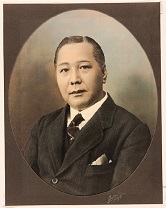
Eu Tong Sen: A Life Told Through Ancient Wisdom
The story of Eu Tong Sen is not merely the biography of a wealthy Chinese businessman.
It is a story of migration, inheritance, ambition, strategy, family, contradiction, and legacy — themes long reflected in Chinese proverbs and classical sayings.
Few figures in Singapore’s history embody these timeless truths as vividly as the tycoon whose name still marks one of Chinatown’s busiest streets.
Through these ancient sayings, we can better understand the extraordinary life of the man who transformed a modest medicinal shop into a regional empire and helped shape Singapore’s Chinatown.
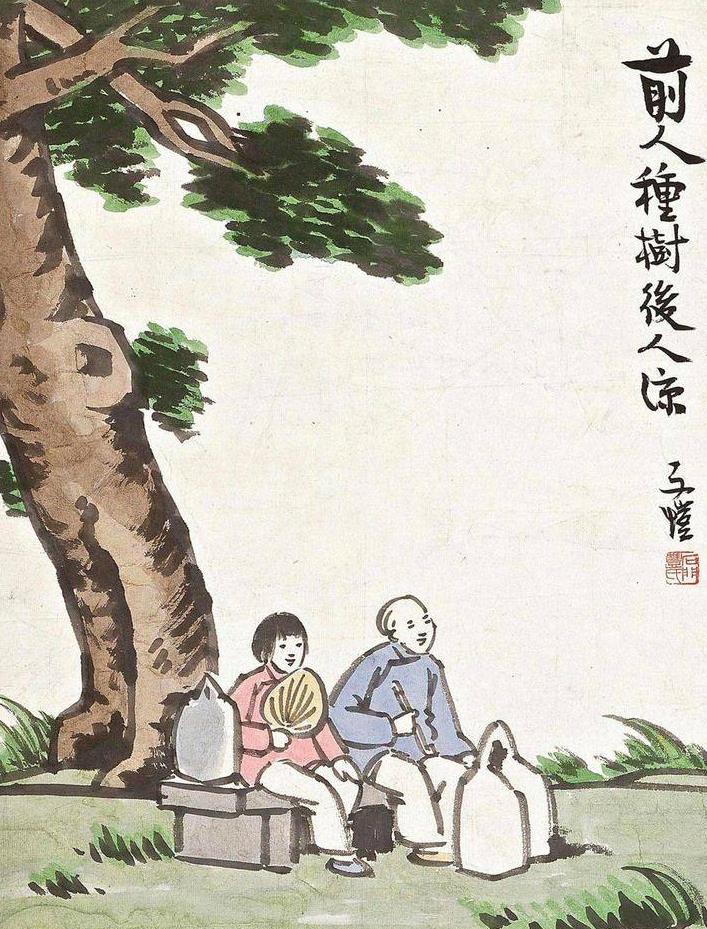
前人栽树,后人乘凉
“One generation plants the trees, the next generation enjoys the shade”
Every empire begins with a seed. For Eu Tong Sen, that seed was planted by his father, Eu Kong, who arrived in Malaya from Foshan, Guangdong, in the 1870s. Like many Chinese migrants, Eu Kong’s early years were difficult. He tried textile dyeing. He tried baking. Neither succeeded.
His fortunes changed only when he moved to the tin-mining town of Gopeng in Perak, where he noticed Chinese miners suffering from illness and poor medical access. In 1879, he founded a small medicinal shop called Yan Sang, meaning “Caring for Mankind.” This was more than a business. It was an act of practical compassion that became the foundation of the family fortune. When Eu Kong died in 1890, he left behind both wealth and opportunity.
His son inherited the shade of the tree his father had planted. What Eu Tong Sen did next was extraordinary. He planted an entire forest.
狡兔三窟
“A clever rabbit has three burrows”
Eu Tong Sen understood a truth many businessmen learn too late: Never rely on a single source of wealth. After inheriting the family business, he rapidly diversified. He expanded into:
Tin mining
Rubber plantations
Traditional Chinese medicine
Banking
Property development
Remittance services
Entertainment
His businesses stretched across Singapore, Malaya, Hong Kong, and southern China. This strategy protected him from market volatility. When one sector weakened, another sustained him.
Even his residences reflected this principle. He maintained grand homes across multiple cities and established households in different parts of the region. Whether in business or personal life, Eu Tong Sen always ensured he had more than one “burrow.” It was this foresight that made him one of Southeast Asia’s richest Chinese tycoons.
人无远虑,必有近忧
“He who does not plan for the distant future will face immediate troubles”
Eu Tong Sen was not simply ambitious. He was strategic. While many contemporaries remained tied to a single commodity, he anticipated change. When Malaya’s rubber industry surged, he invested. When migrant remittance services became essential, he expanded. When urban property values rose, he acquired prime sites. He saw opportunity before others recognised it. This long-term thinking allowed him to transform inherited wealth into a resilient empire. It also explains why his influence extended far beyond commerce. His investments were shaping cities. Nowhere was this more visible than in Singapore’s Chinatown.

树大招风
“A tall tree attracts the wind”
Success brings attention. And attention brings scrutiny. Eu Tong Sen became so influential that in 1919, the colonial government renamed Wayang Street as Eu Tong Sen Street. This was an extraordinary honour. Very few local Chinese businessmen in colonial Singapore received such public recognition. The renaming acknowledged:
His economic influence
His philanthropy
His wartime financial support to the British
His leadership within the Chinese community
Yet great prominence also invited criticism. His wealth was accumulated within colonial economic systems that included morally troubling structures, including links to revenue systems associated with opium. As his stature grew, so too did public expectations of social responsibility. Like the tall tree in the proverb, his success exposed him to stronger winds.
家和万事兴
“When the family lives in harmony, all things prosper”
Managing one household is difficult. Managing eleven required extraordinary structure. Little is recorded about Eu Tong Sen’s domestic relationships. Historical records suggest he provided generously for his wives and children, maintaining separate residences and ensuring financial support. Whether harmony truly prevailed behind closed doors is impossible to know.
But publicly, maintaining family order was essential. For wealthy Chinese merchant families, family stability was inseparable from business stability. A fractured household could threaten succession, reputation, and fortune. His large family was not merely personal. It was part of the architecture of dynastic continuity.
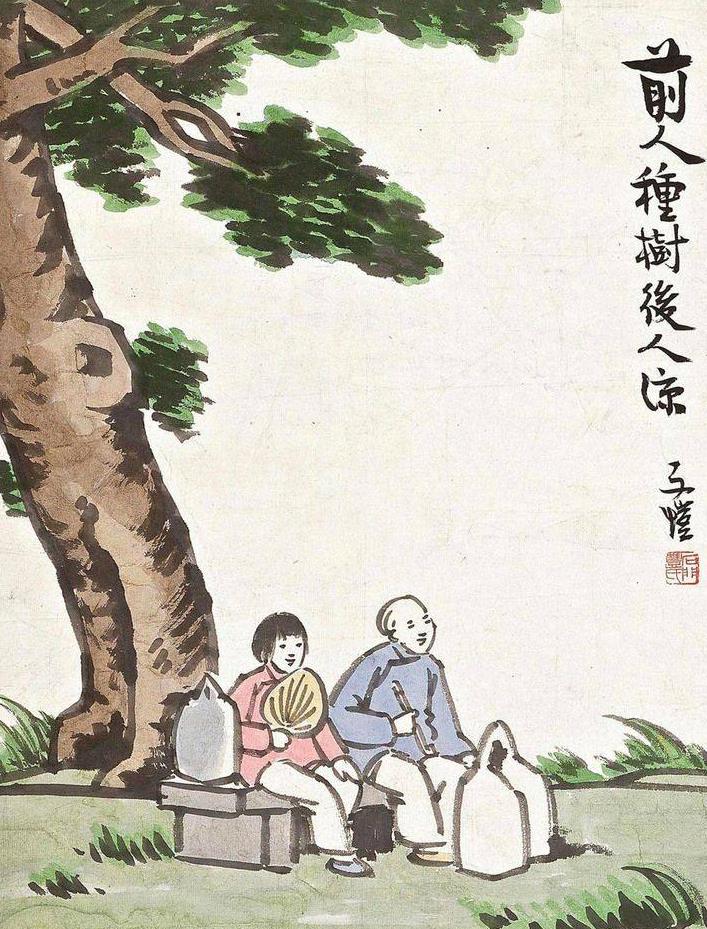
饮水思源
“When drinking water, remember its source”
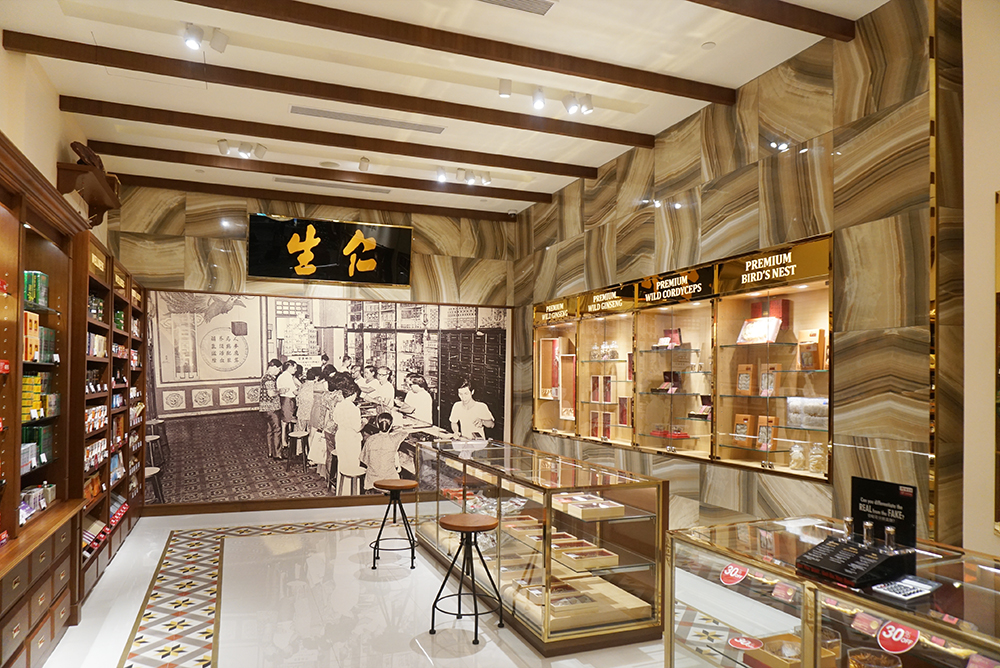
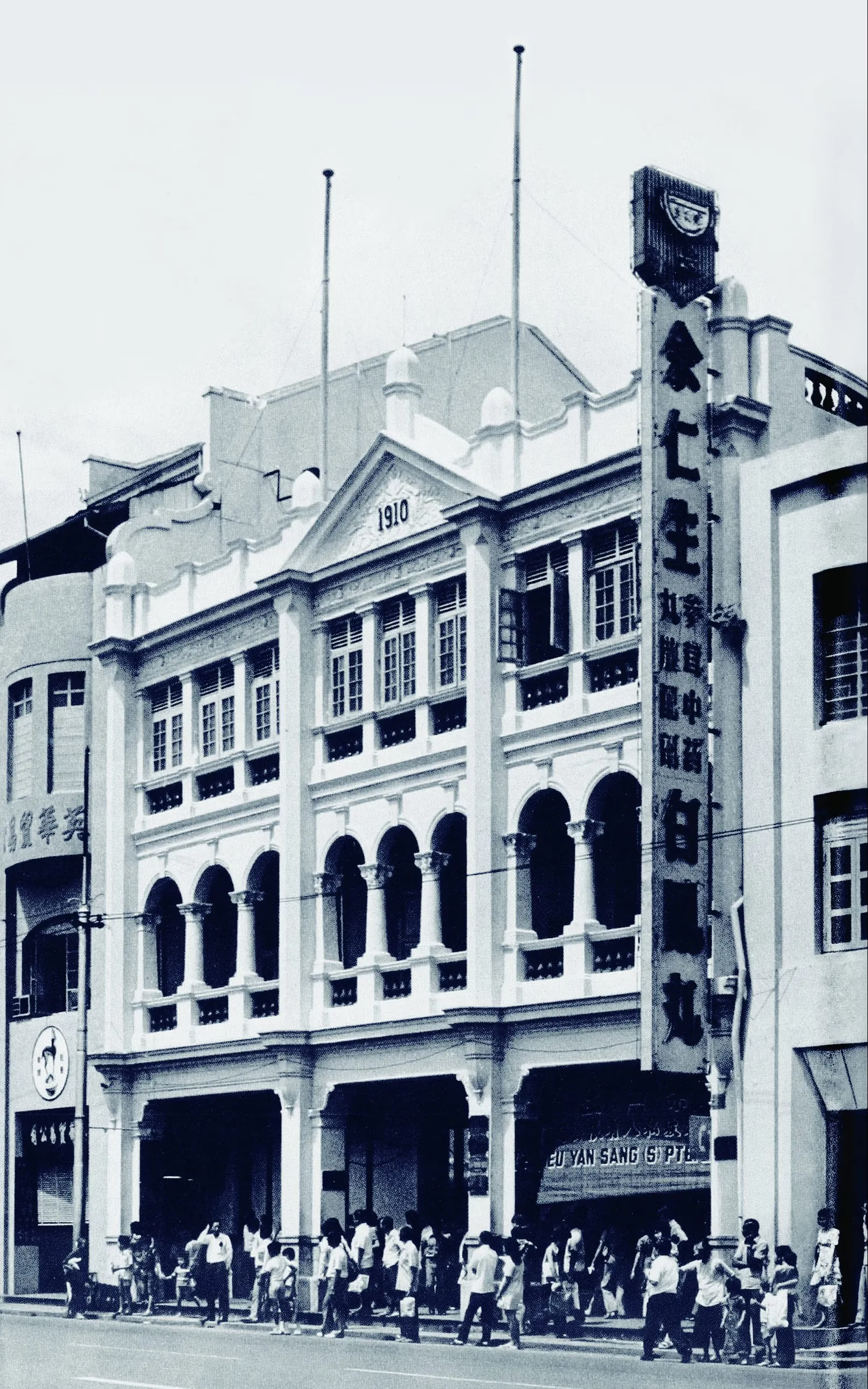
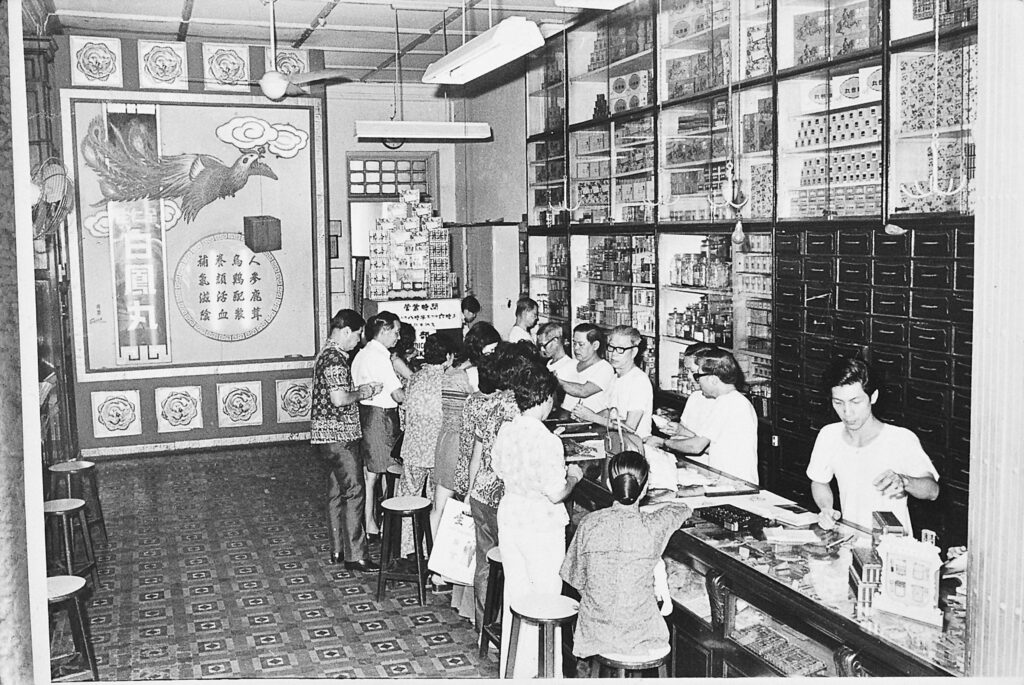
Despite expanding into mining, banking, and property, Eu Tong Sen never abandoned the medicinal roots of his family enterprise. He continued developing Eu Yan Sang, ensuring it remained central to the family’s identity. This reflected an important Confucian value: remembering one’s origins. His father had built the family fortune through service to struggling miners. Eu Tong Sen honoured that legacy by preserving and growing the medicinal business. Today, Eu Yan Sang remains the clearest surviving link to the family’s beginnings. Long after the mines have closed and properties changed hands, the original vision endures.
成也萧何,败也萧何
“What makes you can also undo you”
One of the great contradictions of Eu Tong Sen’s life was his relationship with opium. Like many colonial-era businessmen, parts of the systems that enabled his rise were tied to revenue structures linked to opium. Yet later, he became associated with anti-opium reform efforts. Why the change?
Likely because he witnessed opium’s destructive social effects. Perhaps also because public morality was shifting. And perhaps because true legacy demanded something greater than profit. The same colonial systems that helped create his fortune also made it vulnerable. After his death in 1941, war, occupation, political upheaval, and family fragmentation gradually weakened much of the empire. What built his fortune also contributed to its eventual dispersal.
富不过三代
“Wealth seldom lasts beyond three generations”
Eu Tong Sen built one of Southeast Asia’s great Chinese business empires. Yet like many dynastic fortunes, it did not remain intact forever. After his death:
Assets were divided
Businesses were sold
Properties changed hands
The empire fragmented
This is the fate of many family fortunes. And yet, his story partially defies the proverb. Eu Yan Sang survived. So did his architectural legacy. So did his name. His street, his theatre, and his contributions to Chinatown continue to shape Singapore today.
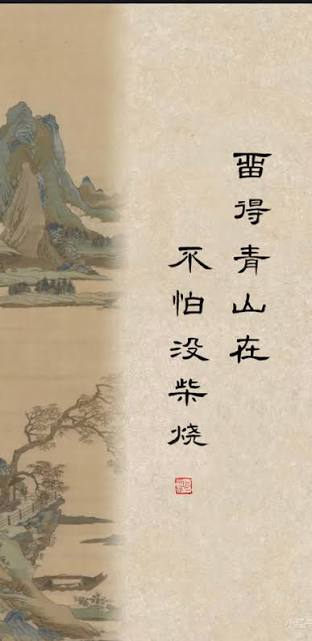
留得青山在,不怕没柴烧
“As long as the green hills remain, there will always be firewood”
Though much of Eu Tong Sen’s original empire faded, its foundations endured. The Majestic Theatre still stands. Eu Tong Sen Street remains central to Chinatown. Eu Yan Sang continues to thrive. His legacy proves that while fortunes may change, vision can outlast wealth. Buildings, institutions, and cultural contributions often survive longer than balance sheets.